
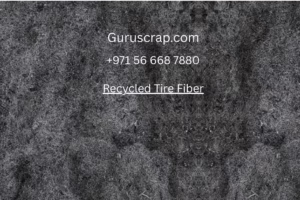
Introduction to Recycled Tire Fiber
Recycled tire fiber is a high-value secondary raw material recovered during the mechanical recycling of end-of-life tyres. When waste tyres are processed through advanced shredding, grinding, and separation systems, the three main components—rubber, steel, and fiber—are successfully liberated. The textile material separated from tyres, free from rubber contamination, is commonly referred to as tire-derived fiber or recycled tire fiber.
As global industries increasingly adopt sustainable manufacturing, circular economy practices, and environmentally responsible sourcing, recycled tire fiber has emerged as an important alternative to virgin textile materials. Instead of allowing used tyres to accumulate in landfills or illegal dumping sites, tire recycling converts waste into reusable resources that support industries such as textiles, construction, insulation, automotive, and industrial manufacturing.
At GuruScrap.com, we supply fiber free of rubber recovered from waste tyres, suitable for recycling and reuse in a wide range of eco-friendly and industrial applications.
What Is Tire-Derived Fiber?
Tire-derived fiber consists mainly of synthetic textile materials originally used in tyre manufacturing to enhance structural strength, flexibility, and durability. These fibers typically include:
-
Polyester fiber
-
Nylon fiber
-
Rayon fiber
-
Other polymer-based textile fibers
During the tyre recycling process, modern separation technology ensures that these fibers are effectively removed from both rubber and steel. The result is a reusable material that would otherwise be treated as waste.
Recycled tire fiber provides an eco-friendly alternative to virgin fibers, helping reduce raw material consumption while supporting waste reduction and environmental protection.
Tire Fiber Recovery Process
The production of recycled tire fiber follows a carefully controlled process to ensure high efficiency, low contamination, and environmental compliance.
1. Tyre Shredding
End-of-life tyres are first processed through industrial shredders, reducing them into smaller pieces. This step prepares the material for further separation and recovery.
2. Grinding and Size Reduction
The shredded tyre material is then processed through granulators and milling systems. This stage liberates rubber, steel, and fiber from one another.
3. Fiber Separation Technology
Advanced separation methods are applied, including:
-
Air separation systems
-
Density separation
-
Mechanical screening
These techniques isolate tire fiber free from rubber and steel, producing a cleaner and more usable recycled fiber.
4. Cleaning and Quality Control
Recovered fiber is further cleaned to reduce rubber dust and impurities. Quality control ensures the fiber is suitable for industrial recycling, reuse, and manufacturing applications.
Characteristics of Recycled Tire Fiber
Recycled tire fiber offers a combination of physical and functional properties that make it suitable for multiple industries:
-
Lightweight and easy to handle
-
High tensile strength
-
Good flexibility and resilience
-
Thermal insulation properties
-
Acoustic and sound-absorbing capability
-
Resistance to moisture and decay
-
Compatible with blending and composite materials
These properties make tire-derived fiber a versatile and reliable recycled material.
Applications of Recycled Tire Fiber
Recycled tire fiber is widely used across various industries, supporting sustainability while reducing production costs.
1. Textile Industry Applications
One of the primary uses of recycled tire fiber is within the textile and non-woven fabric industry. The recovered fibers can be processed, blended, or re-engineered into different textile products.
Textile Applications Include:
-
Non-woven fabrics
-
Industrial textiles
-
Felt and padding materials
-
Insulation layers
-
Reinforcement fibers
Using tire-derived fiber reduces dependence on virgin synthetic fibers and lowers environmental impact.
2. Construction and Building Materials
The construction industry increasingly uses recycled tire fiber in applications that require insulation, reinforcement, and lightweight filler materials.
Construction Uses Include:
-
Thermal insulation panels
-
Acoustic insulation products
-
Fiber-reinforced concrete additives
-
Lightweight composite boards
Recycled tire fiber improves sound absorption, thermal efficiency, and structural performance.
3. Automotive and Industrial Insulation
Thanks to its vibration-dampening and noise-reducing properties, recycled tire fiber is suitable for:
-
Automotive soundproofing materials
-
Machinery and equipment insulation
-
Engine compartment liners
-
Vibration control systems
These applications help reduce noise pollution and enhance operational efficiency.
4. Furniture and Upholstery Materials
Recycled fiber from waste tyres is also used as a filling or support material in:
-
Furniture padding
-
Upholstery layers
-
Mattress components
-
Cushioning and comfort products
This provides a durable, cost-effective alternative to traditional filling materials.
5. Geotextiles and Landscaping Applications
In environmental and civil engineering projects, recycled tire fiber can be used in:
-
Erosion control mats
-
Landscaping fabrics
-
Soil stabilization layers
These applications support sustainable construction and land management practices.
6. Energy and Industrial Co-Processing (Where Permitted)
In certain regions and under regulatory approval, tire-derived fiber is used in industrial co-processing or alternative fuel systems, supporting energy recovery from waste materials.
Benefits of Recycled Tire Fiber
Recycled tire fiber offers significant environmental, economic, and functional advantages.
Environmentally Friendly Material
-
Diverts waste tyres from landfills
-
Reduces environmental pollution
-
Supports recycling and reuse
-
Promotes circular economy principles
Using recycled tire fiber significantly reduces the environmental footprint of industrial production.
Resource Conservation
-
Reduces reliance on virgin textile fibers
-
Saves raw materials and energy
-
Minimizes natural resource extraction
This supports long-term sustainability goals.
Cost-Effective Alternative
-
Lower raw material costs
-
Reduced waste disposal expenses
-
Competitive pricing compared to virgin fibers
Recycled tire fiber is financially viable for large-scale industrial use.
Lightweight and Versatile
-
Easy to transport and store
-
Suitable for blending and composites
-
Applicable across multiple industries
Its versatility makes tire-derived fiber a practical material choice.
Excellent Insulation Properties
Recycled tire fiber provides:
-
Thermal insulation
-
Sound absorption
-
Vibration dampening
These properties improve performance in construction, automotive, and industrial applications.
Durable and Long-Lasting
Tyre fibers are designed to withstand:
-
High temperatures
-
Mechanical stress
-
Pressure and wear
As a result, recycled tire fiber maintains durability even in demanding environments.
Recycled Tire Fiber and Sustainability
Recycling tire fiber plays a crucial role in global sustainability initiatives. With millions of tyres reaching end-of-life annually, tire recycling helps:
-
Reduce landfill waste
-
Lower greenhouse gas emissions
-
Improve waste management efficiency
-
Support sustainable material cycles
Governments and industries increasingly encourage the use of tire-derived recycled materials.
Global Market Demand for Recycled Tire Fiber
Demand for recycled tire fiber continues to grow due to:
-
Expansion of sustainable construction projects
-
Growth in eco-friendly textile manufacturing
-
Rising costs of virgin raw materials
-
Stricter waste tyre recycling regulations
Recycled tire fiber is actively traded in both local and international markets.
Quality Standards and Responsible Sourcing at GuruScrap.com
At GuruScrap.com, we prioritize quality, consistency, and responsible sourcing.
Our Quality Commitment
-
Fiber liberated from tyres through controlled processes
-
Reduced rubber contamination
-
Suitable for industrial recycling and reuse
-
Bulk supply capability for domestic and export markets
We work with reliable recycling partners to ensure consistent quality and availability.
Why Choose Recycled Tire Fiber from GuruScrap.com?
GuruScrap.com is a trusted global supplier of recycled materials.
Our Advantages
-
Reliable supply of tire-derived fiber
-
Environmentally responsible recycling practices
-
Competitive bulk pricing
-
Suitable for textile, construction, and industrial applications
-
Export-ready material for international buyers
We support manufacturers, recyclers, and traders seeking sustainable raw material solutions.
Recycled Tire Fiber vs Virgin Fiber
| Aspect | Recycled Tire Fiber | Virgin Fiber |
|---|---|---|
| Environmental Impact | Low | High |
| Cost | Economical | Higher |
| Sustainability | High | Limited |
| Resource Usage | Recycled waste | New raw materials |
| Carbon Footprint | Reduced | Higher |
This comparison explains why recycled tire fiber is increasingly preferred across industries.
Future of Recycled Tire Fiber
As sustainability becomes a core industry focus, the role of recycled tire fiber will continue to expand. Ongoing improvements in separation and processing technology are opening new opportunities in:
-
Advanced textile manufacturing
-
Green construction materials
-
Automotive components
-
Industrial composite products
The future outlook for tire-derived fiber remains strong, driven by environmental responsibility and cost efficiency.
Conclusion
Recycled tire fiber, liberated from waste tyres and free from rubber contamination, is a valuable, sustainable material with diverse industrial applications. From textiles and construction to insulation, furniture, and industrial products, tire-derived fiber offers an environmentally responsible alternative to virgin materials.
By recycling tyre fiber, industries reduce waste, conserve resources, lower costs, and support the circular economy. As global demand for sustainable materials grows, recycled tire fiber will remain a key component of responsible manufacturing.
For reliable supply, consistent quality, and environmentally responsible sourcing, GuruScrap.com is your trusted partner for recycled tire fiber solutions.